05 / Museum Collections / Material Research
3D Printed Research & Education Collection
Designing and assembling a 3D-printed research collection through CAD modelling, fabrication coordination and protective packaging for museum material studies.
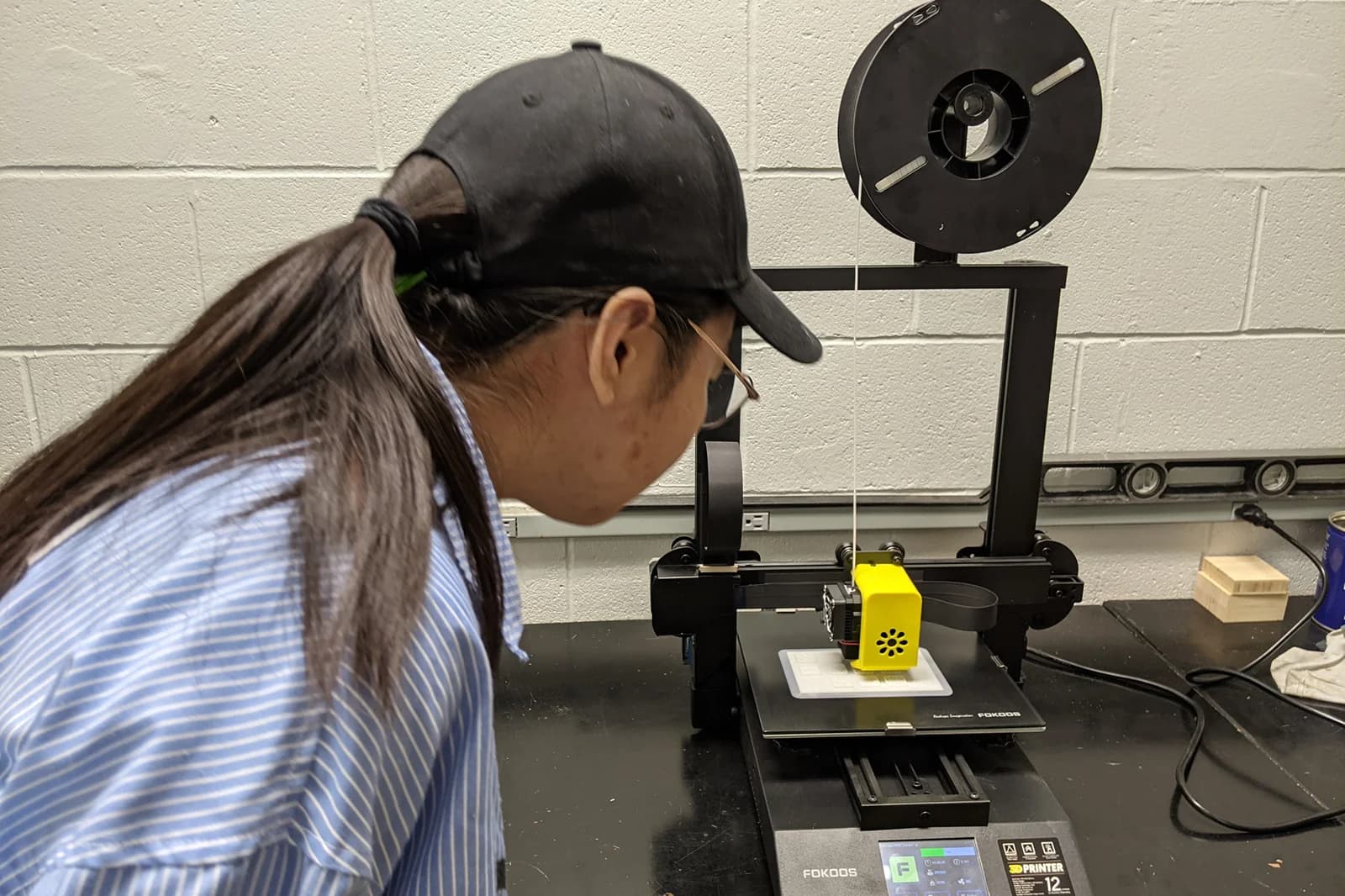
Designing objects for preservation research
At the Image Permanence Institute, I contributed to an IMLS-funded project investigating the preservation of 3D-printed museum objects. Working under Research Scientist Meredith Noyes, I helped design and produce a collection representing different printing materials and processes for material studies and education.
The project connected industrial design with museum practice: how an object is modelled, printed, handled and transported becomes part of how it can be studied and cared for.
My contribution
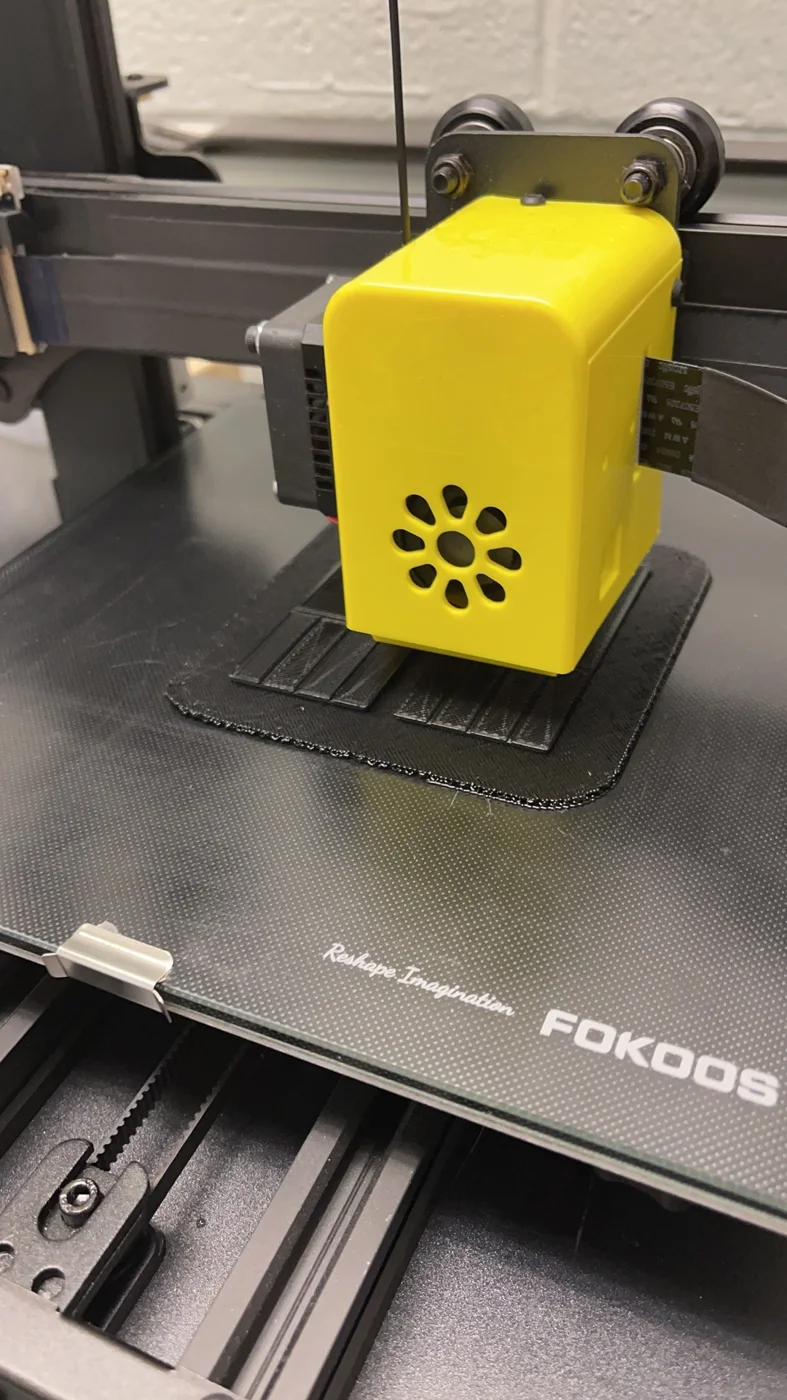
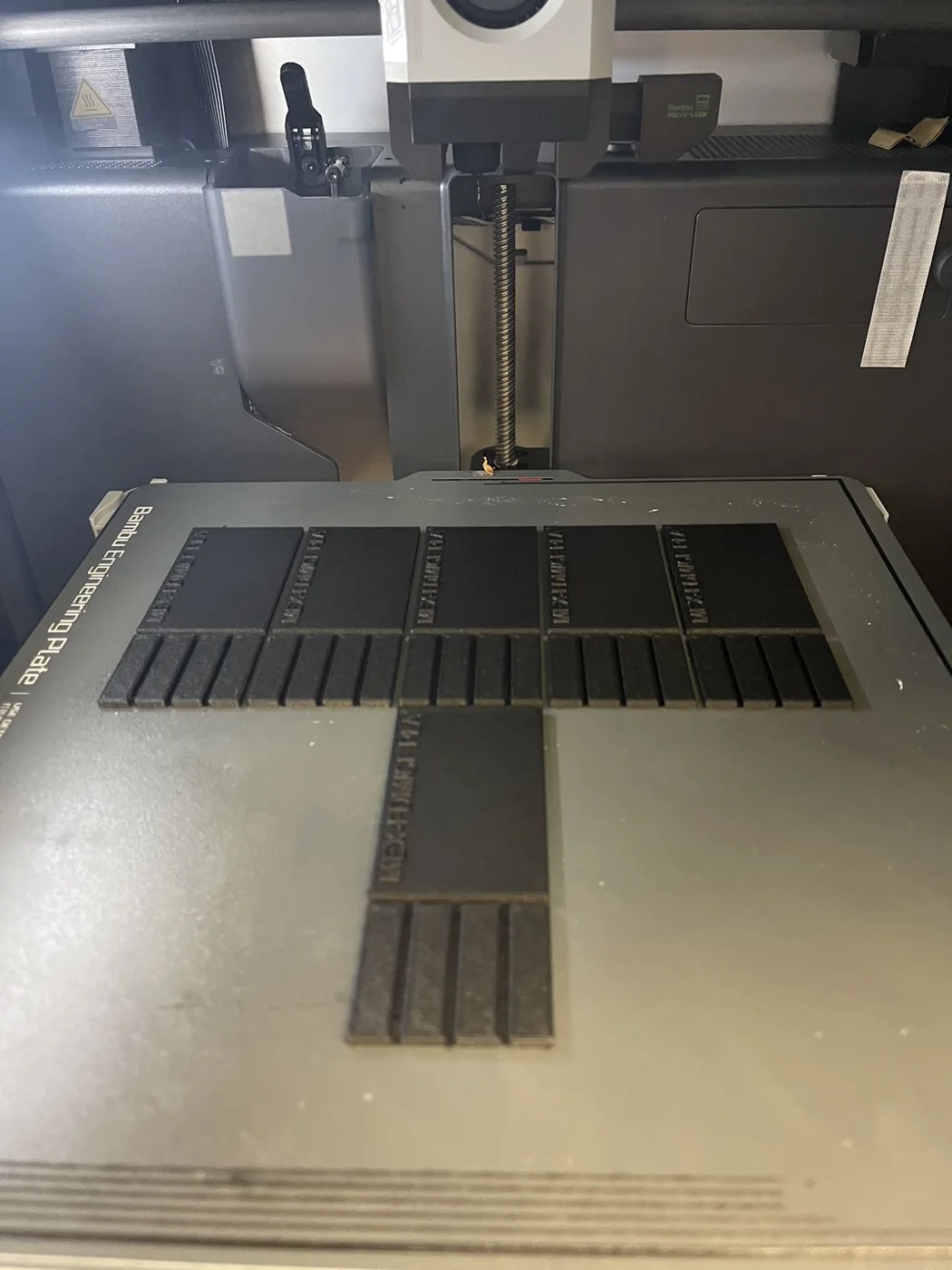
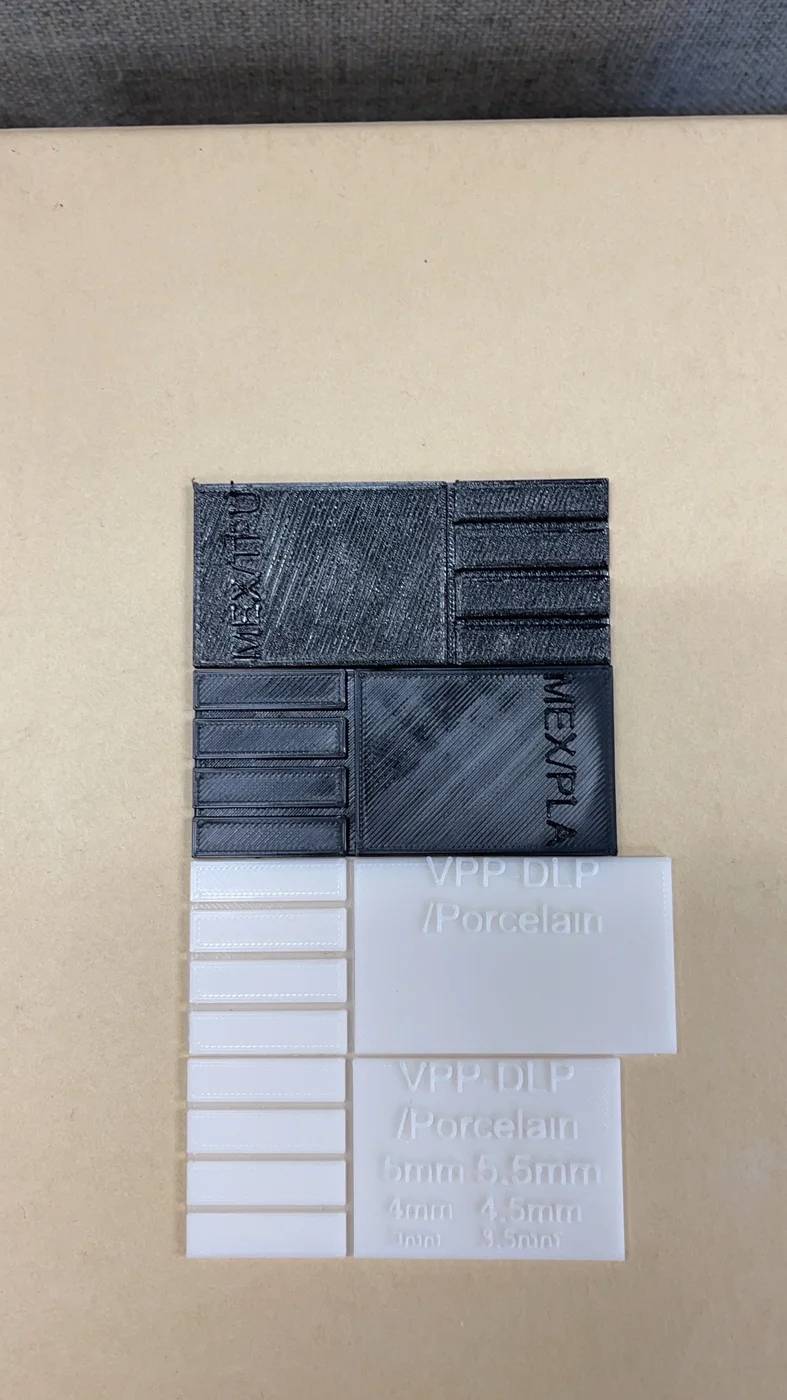
- Designed CAD models, adapting geometry for printability and sectioning models into test specimens for material studies.
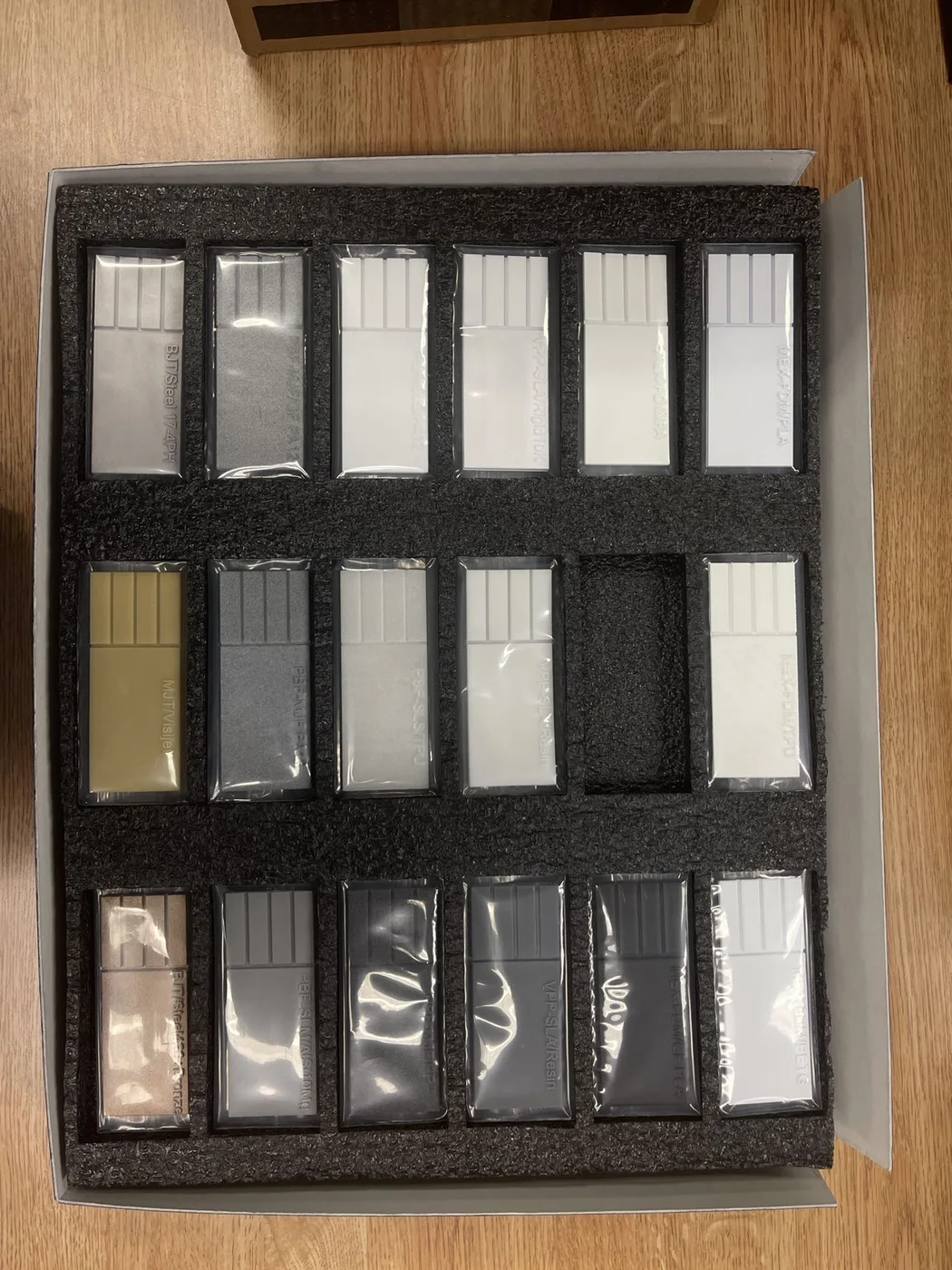
- Coordinated printing across departments and assembled a research collection spanning different materials and printing processes.
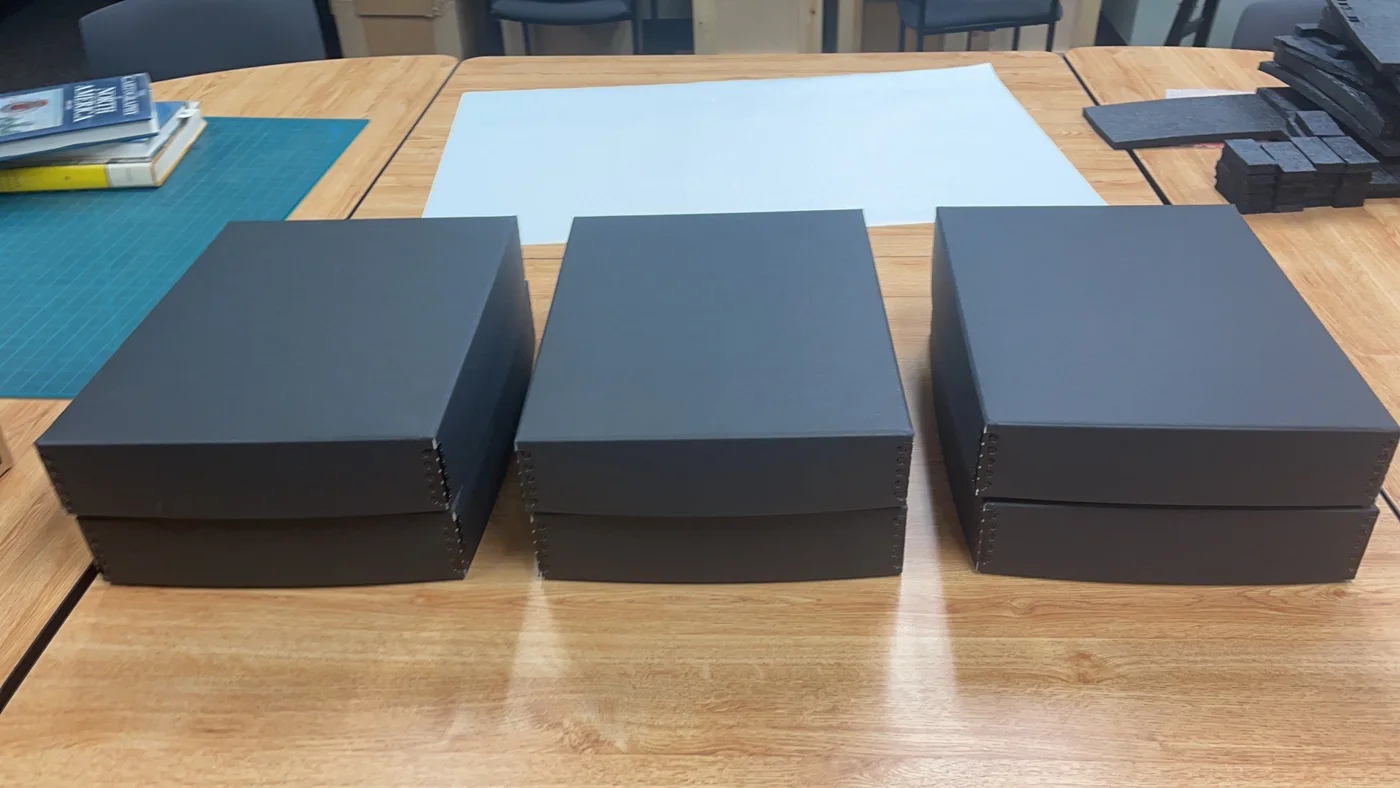
- Designed protective packaging around model dimensions to help prevent damage during transport.
From an ornate frame to a research object
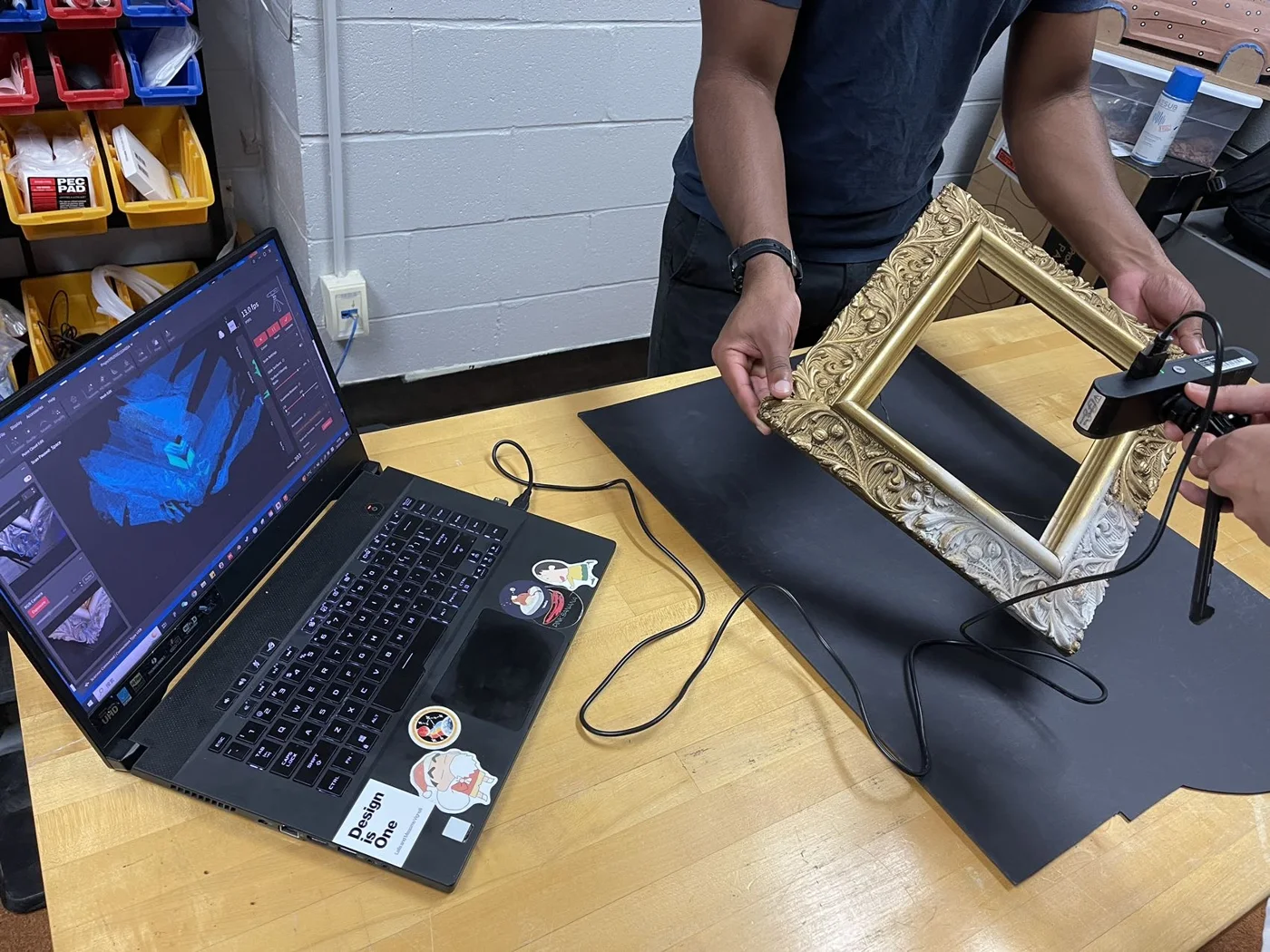
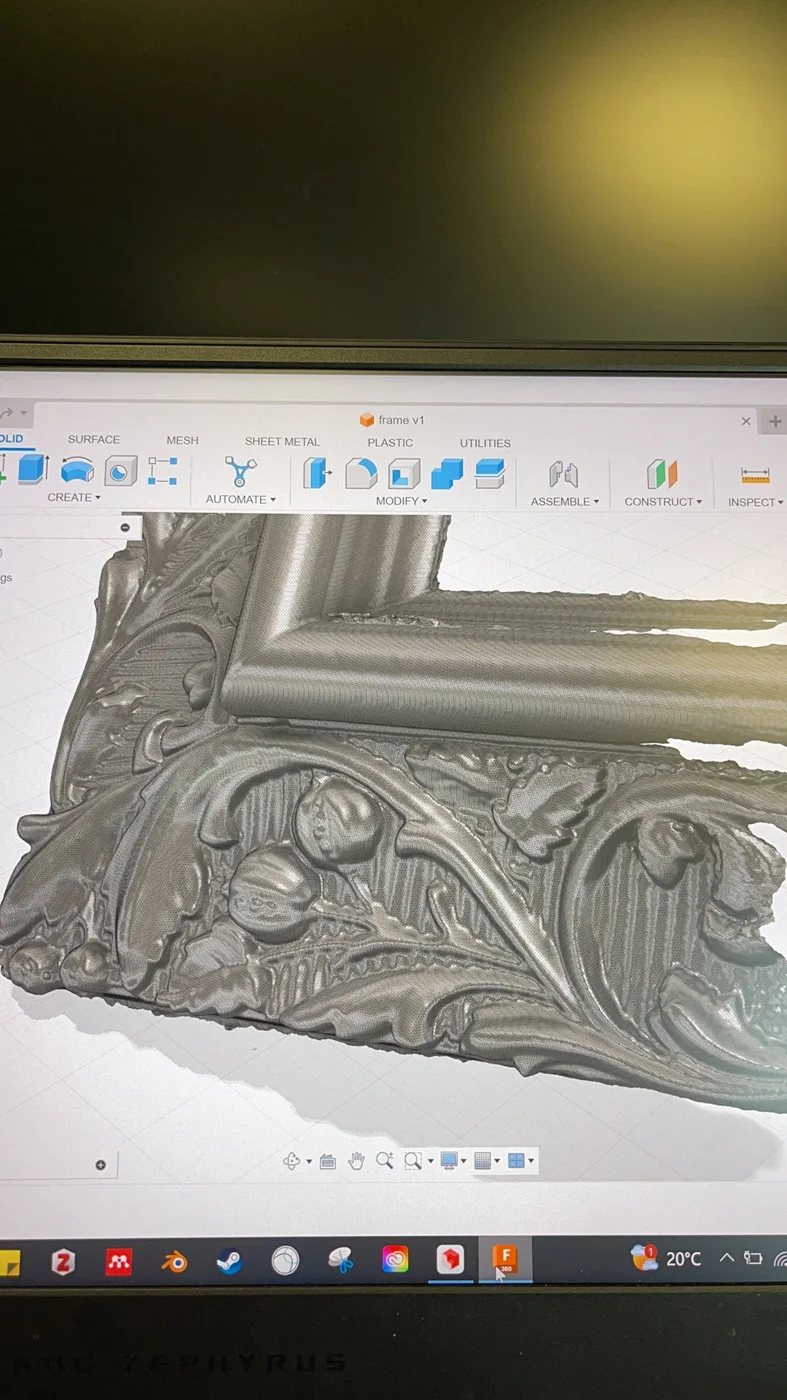
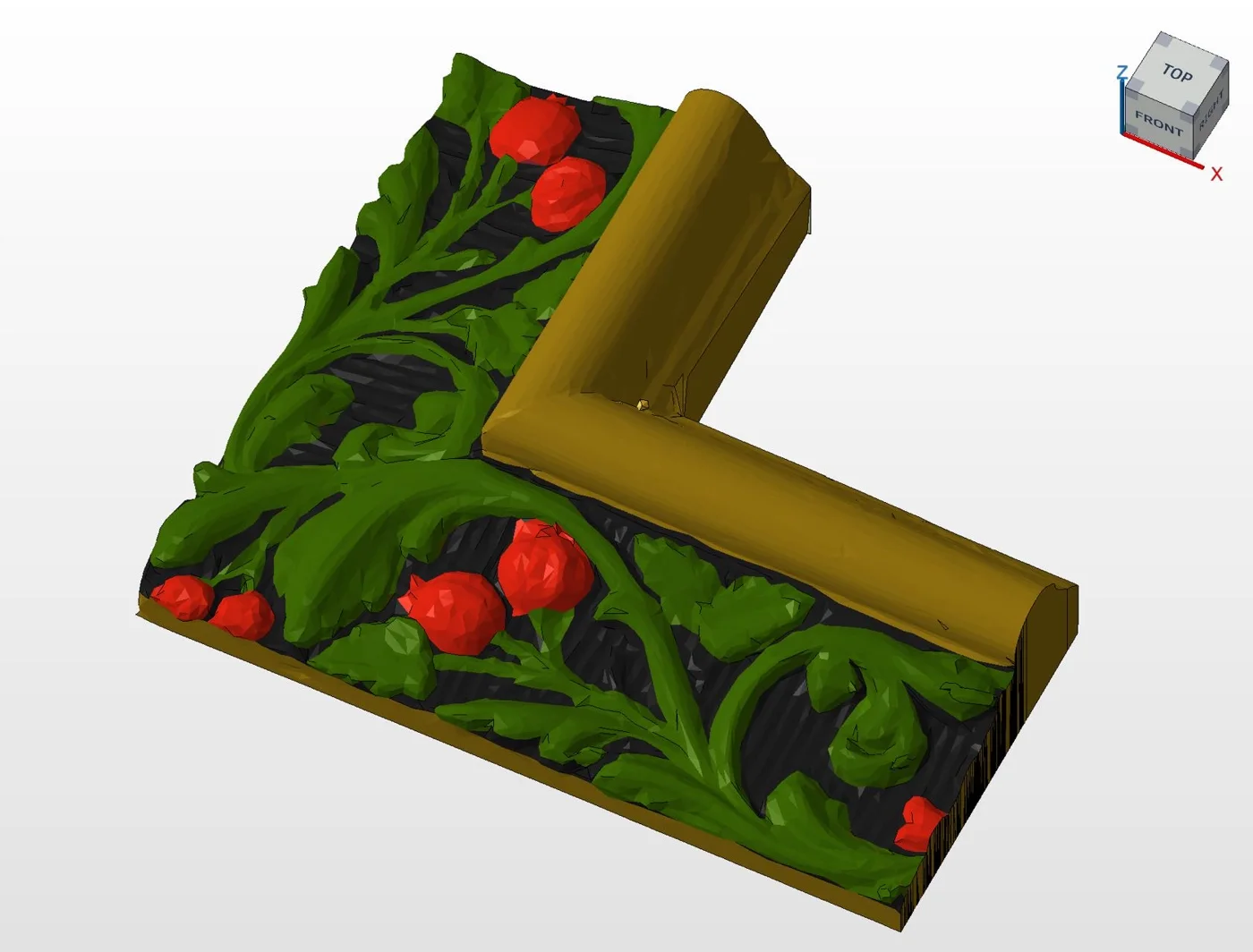
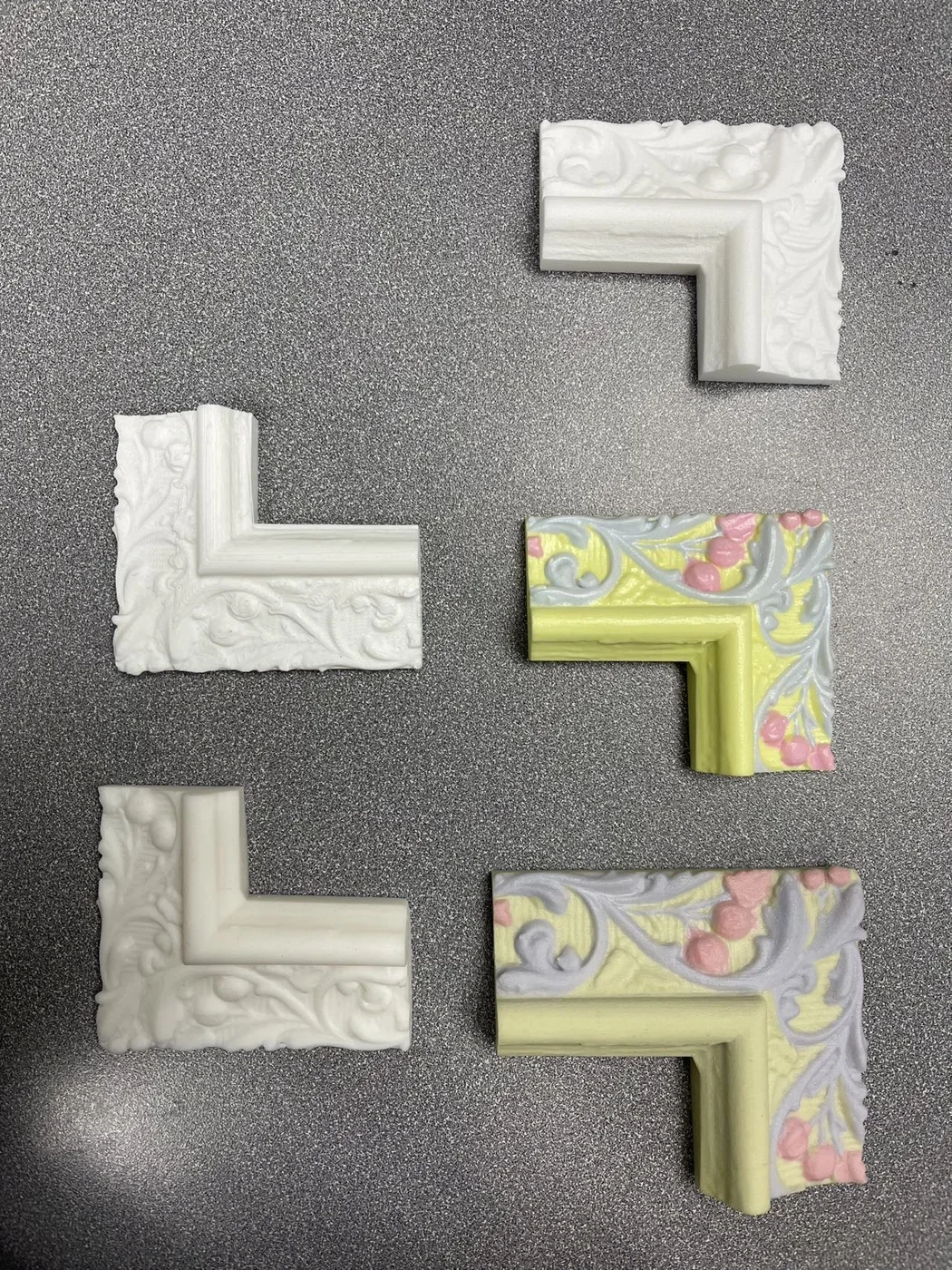
One documented collection object was an ornate picture-frame corner. With help from RIT’s Fab Lab, I scanned the corner, cleaned the resulting file through 3D modelling and added colour digitally.
The frame-corner model was produced using five printing processes, bringing different fabrication approaches into the research and education collection.
Five printing processes
- Stereolithography (SLA)
- Selective Laser Sintering (SLS)
- Fused Deposition Modeling (FDM)
- Digital Light Process (DLP)
- Multi Jet Fusion (MJF)
01 / Scanning & digital modelling
02 / Printing & collection specimens
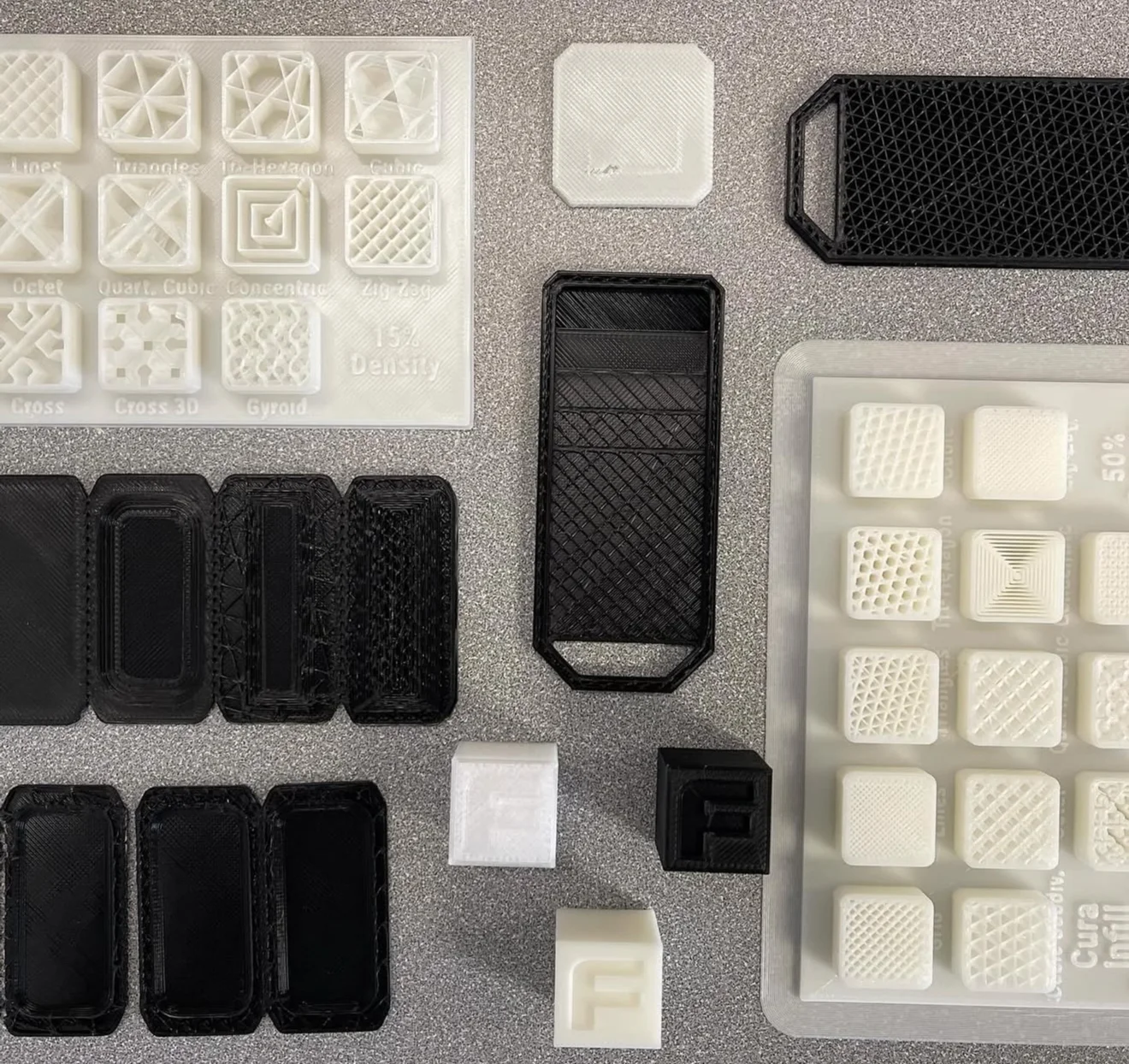
CAD, fabrication & handling
My CAD work prepared models for fabrication and for use as test specimens. Cross-department coordination supported production across the materials and processes represented in the collection.
Packaging extended the design work beyond printing. I tailored protective packaging to each model’s dimensions, with transport protection as the goal. No quantified reduction in damage or packaging-test result is claimed.
03 / Protective packaging
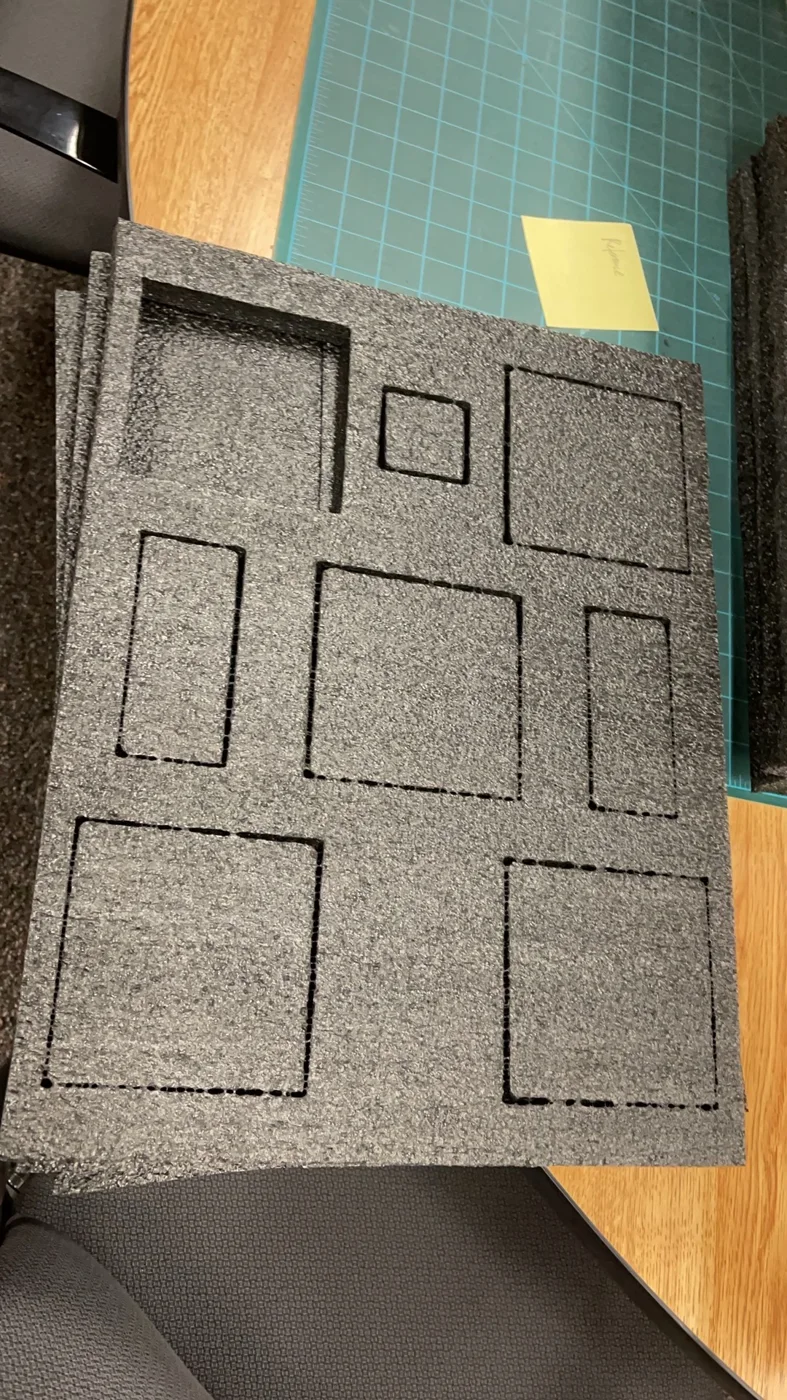
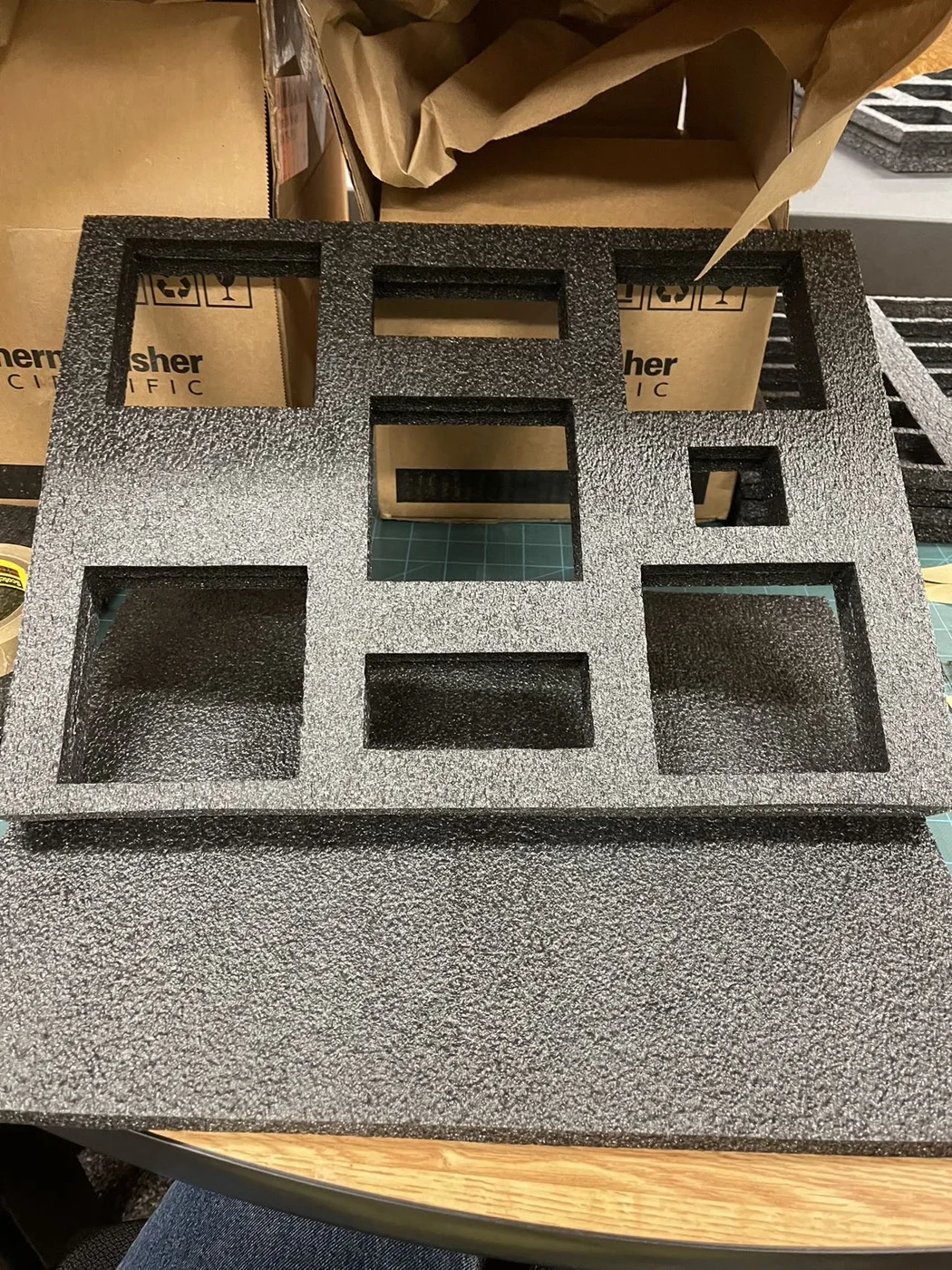
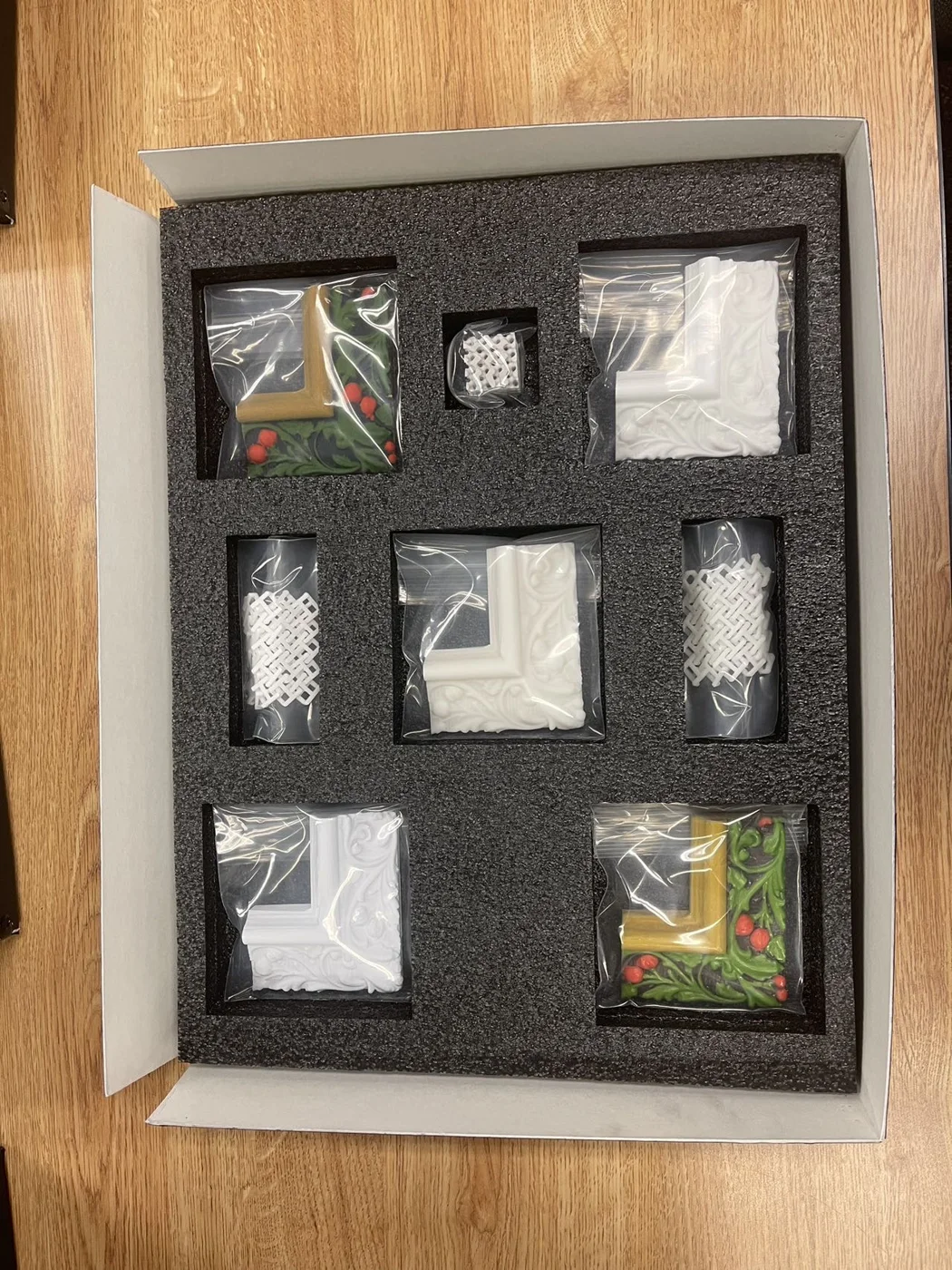
Contribution to the collection
My outputs included CAD models, printed collection pieces and protective packaging supporting IPI’s material research. The collection provides physical examples through which printing processes and materials can be examined.
This case study describes my design and fabrication contribution. It does not claim that I led preservation experiments or established material stability, service life or conservation guidelines. Those conclusions require the research team’s methods and results.
Connecting making with museum practice
This work brought the practical skills of industrial design—modelling, fabrication and object handling—into a museum research context. It connects my interest in how objects are made with questions about how cultural institutions study, preserve and use them for learning.